Source Granite Panels for Walls, Floors, and Gardens
Compare 30 granite panel listings from Chinese suppliers offering cut-to-size options, polished finishes, and flexible stone veneer alternatives. Buyers can evaluate specifications like thickness, density, and certifications including CE and ISO for indoor and outdoor applications; compare the available evidence and request quotations based on your requirements.
Key considerations
Products List




Comprehensive Sourcing Guide
Granite Panels Sourcing Guide
Product Scope and Observed Listing Signals
The market for granite panels presents a diverse array of product types, ranging from traditional cut-to-size slabs to innovative flexible stone veneers. Buyers will encounter listings for natural granite with specific dimensions such as 600 x 600mm or larger formats like 1200 x 3000mm, alongside rough granite and stacked stone variants. These products are often sourced from regions like Shandong, China, and are available in standard colors including yellow and blue, or customized designs to match specific architectural visions.
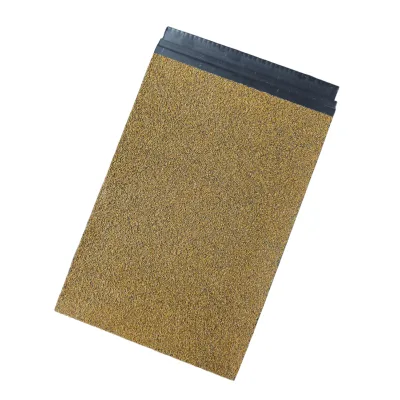
Observations indicate that material composition varies significantly across listings, with some products explicitly identified as natural stone powder and modified clay composites rather than pure granite. This distinction is critical for procurement teams, as it affects weight, flexibility, and installation methods. Flexible veneers, for instance, offer advantages such as being lightweight and easy to install, while traditional granite panels provide durability and a classic aesthetic suitable for both indoor and outdoor building walls.
Technical Specifications to Verify
Thickness is a primary technical variable that buyers must confirm, as listings show ranges from 2cm for solid slabs to 2.5-3.3mm for flexible veneers. Density is another key metric, with some natural granite products boasting a density greater than 3g/cm³, ensuring structural integrity and longevity. Buyers should verify the edge processing, which may be flat or polished, and check if the product is available in cut-to-size formats to meet precise project requirements without excessive waste.
Surface finishing and shape also play crucial roles in the final aesthetic and functional performance of the panels. Polished surfaces are common for interior applications, while natural finishes may be preferred for exterior facades. Additionally, water absorption rates are a vital specification, with some flexible stone products claiming less than 0.5% absorption, which enhances their resistance to weathering and staining. Buyers must ensure that the specified thickness and density align with the structural load requirements of their intended application.
Compliance and Safety Documentation
Certification is a fundamental requirement for international trade, with CE and ISO marks frequently appearing in product listings. These certifications indicate that the products meet specific European and international standards for safety, health, and environmental protection. Buyers should request valid certification documents to verify that the supplier’s manufacturing processes and final products comply with the regulatory requirements of the destination market, ensuring legal compliance and market access.
Safety features such as waterproofing, fireproofing, and scratch resistance are often highlighted as key advantages of modern stone panels. Flexible veneers, for example, are marketed as having intelligent and antiskid properties, making them suitable for high-traffic commercial areas. Buyers should verify these claims through independent test reports, particularly for fire resistance and slip resistance, to ensure that the materials meet the safety standards required for specific building codes and usage environments.
Cost Drivers and Commercial Terms
Pricing for granite panels varies widely, with observed ranges extending from low-cost flexible veneers to high-end natural stone slabs. The cost is influenced by factors such as material type, thickness, surface finishing, and customization options. Buyers should consider the total landed cost, including shipping, insurance, and import duties, rather than focusing solely on the unit price. Flexible veneers may offer cost savings in installation due to their lightweight nature, while traditional granite may incur higher logistics costs due to weight.
Minimum Order Quantities (MOQ) and lead times are critical commercial terms that impact procurement planning. Listings show MOQs ranging from 1 to 1000 units, with lead times varying from 1-3 weeks for standard items to longer periods for customized orders. Buyers should negotiate clear terms regarding production schedules, payment methods, and penalties for delays. Understanding these commercial dynamics helps in budgeting accurately and ensuring timely delivery for project milestones.
Supplier Qualification and Quality Control
Supplier qualification involves verifying the manufacturer’s capabilities, including their production capacity, quality control systems, and export experience. Buyers should assess whether the supplier offers customization services, such as cut-to-size options and customized designs, to meet specific project needs. Packaging is also a key indicator of supplier professionalism, with options ranging from wooden crates to standard exporting packing, ensuring that products arrive in good condition.
Quality control measures should include pre-shipment inspections to verify dimensions, color consistency, and surface finish. Buyers should request samples to evaluate the material’s texture, density, and flexibility before placing large orders. Additionally, verifying the supplier’s ability to provide detailed product specifications and technical data sheets is essential for ensuring that the delivered products match the agreed-upon standards. Establishing a clear communication channel for addressing quality issues is also crucial for long-term partnerships.
Long-Term Procurement Checks
Long-term procurement success depends on establishing reliable supply chains and maintaining consistent quality over time. Buyers should conduct periodic audits of their suppliers to ensure ongoing compliance with quality and safety standards. Building strong relationships with suppliers can lead to better pricing, priority production, and improved support for custom orders. Regularly reviewing supplier performance metrics, such as on-time delivery rates and defect rates, helps in identifying potential issues early.
Sustainability and environmental impact are increasingly important factors in long-term procurement strategies. Buyers should inquire about the supplier’s environmental practices, such as waste management and energy efficiency, to align with corporate sustainability goals. Additionally, staying informed about market trends and technological advancements in stone panel manufacturing can help buyers make informed decisions and stay competitive. Continuous evaluation of supplier capabilities and market conditions ensures that procurement strategies remain effective and resilient.
FAQs
What certifications do granite panels typically have?
Granite panels often carry CE and ISO certifications to ensure compliance with international quality and safety standards. These credentials verify that the material meets specific regulatory requirements for construction and architectural applications. Buyers should request valid documentation from suppliers to confirm that the granite products adhere to these recognized industry benchmarks for reliability and performance.
Can granite panels be customized to specific sizes?
Yes, granite panels are available in customized dimensions to meet unique project requirements. Suppliers offer cut-to-size options, allowing for precise fitting in various architectural designs. This flexibility ensures that the stone can be tailored to specific spatial needs, providing a seamless integration into both indoor and outdoor building walls while maintaining the natural integrity of the material.
What is the standard thickness for granite panels?
Standard granite panels commonly feature a thickness of 2cm, providing structural stability for wall applications. Some specialized veneers may range from 2.5mm to 3.3mm for flexible installations. The 2cm thickness is widely used for durable indoor and outdoor cladding, ensuring the stone can withstand environmental stresses while offering a robust and long-lasting finish for commercial and residential projects.
How are granite panels packaged for shipping?
Granite panels are typically packed in wooden crates or cartons to prevent damage during transit. Standard export packing methods include fumigated seaworthy wood crates to ensure safety. This robust packaging protects the stone from impact and moisture, ensuring that the polished surfaces and precise dimensions arrive at the destination in pristine condition, ready for immediate installation by contractors.
What is the lead time for granite panel orders?
Lead times for granite panels generally range from one to three weeks, depending on order volume. For quantities under 1000 square meters, production often takes about 15 days. Larger orders may require negotiation for extended timelines. This timeframe allows manufacturers to process, polish, and package the stone efficiently while maintaining quality control standards for international delivery.
Where are granite panels typically manufactured?
Granite panels are predominantly manufactured in China, with significant production hubs in Shandong province. This region is known for its abundant natural stone resources and advanced processing capabilities. Sourcing from these locations allows buyers to access a wide variety of granite types, ensuring competitive pricing and reliable supply chains for global construction and architectural projects requiring high-quality stone materials.